
A receiving station, spice mill, mixer and packaging line do not release the same dust or require the same airflow, filter media or protection measures. By matching each process point to its dust characteristics, capture requirement, hygiene needs and combustible-dust controls, you can compare systems on performance and lifecycle cost rather than motor horsepower alone.
Key takeaways
- Match cartridge, baghouse and cyclone collectors to each emission point.
- Calculate airflow from capture velocity, hood size and duct losses.
- Specify hygienic access, combustible-dust controls and wet-cleaning compatibility.
- Compare suppliers using test data, filter life and service support.
Match the collector to each food-processing area
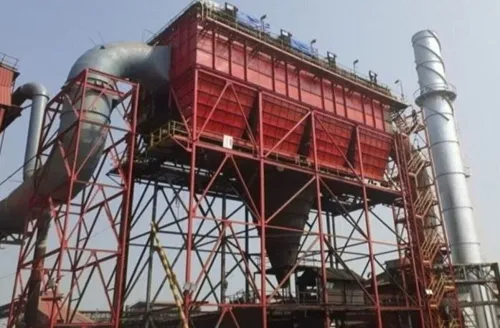
A food processing dust collector should follow the emission point, dust loading and cleaning method—not the building’s floor area. Use a cartridge collector for short, clean, intermittent extraction; choose a pulse-jet baghouse for heavy, continuous dust loads; add a cyclone when coarse material would otherwise overload the final filters.
| Area | Preferred collector | Selection reason |
|---|---|---|
| Receiving and tipping | Cyclone pre-separator plus baghouse or cartridge collector | Removes coarse grain and raw-material dust before fine filtration. |
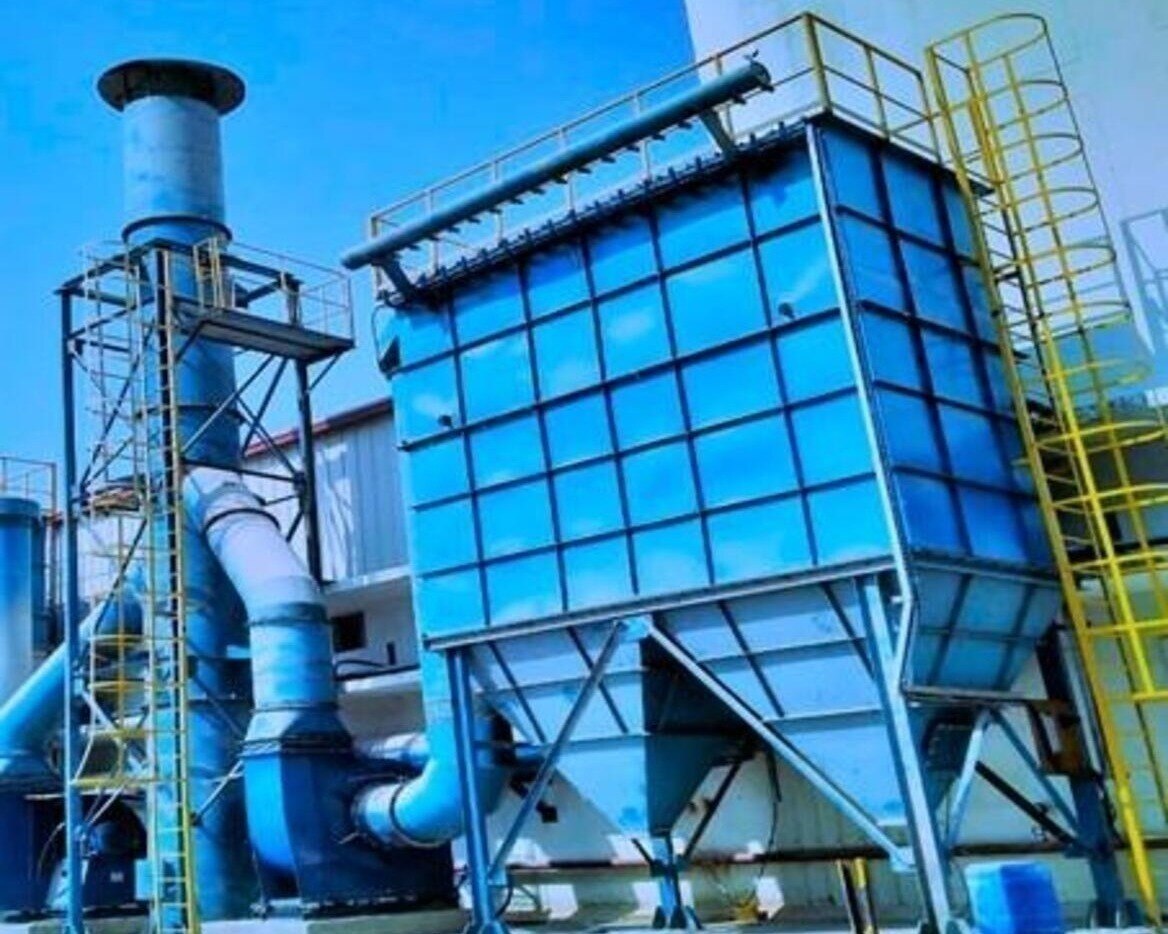
| Grain or flour milling | Pulse-jet baghouse | Handles continuous flow and high dust loading with less frequent filter replacement. |
| Spice grinding | Cartridge collector or compact baghouse | Captures fine, valuable powders; isolate branches to prevent flavour cross-contamination. |
| Conveying and transfer points | Cartridge collector | Suits several intermittent hoods connected to a compact system. |
| Mixing and dosing | Cartridge collector | Works for short-duration releases if the powder is dry and non-sticky. |
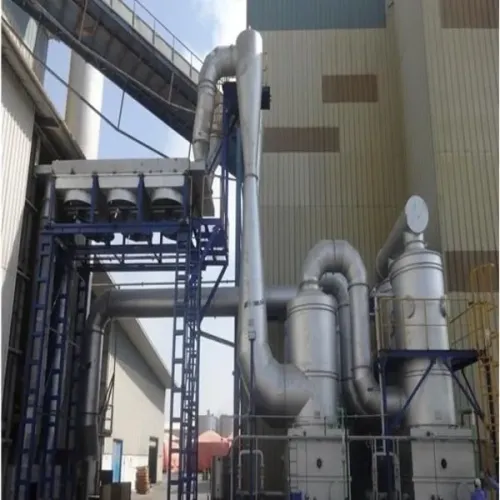
| Baking and oven exhaust | Wet scrubber or dedicated high-temperature filtration | Choose a scrubber for soluble vapours or greasy, wet exhaust; do not send hot, sticky vapour into ordinary dry filters. |
| Packaging | Cartridge collector | Matches intermittent powder release around fillers, weighers and sealing equipment. |
| Warehouse and finished-goods areas | Local vacuum system or cartridge collector | Capture spill dust at the source rather than exhausting the entire room. |
A cyclone alone will not normally meet fine-particle or recirculated-air requirements. For hygroscopic or sticky powders, specify accessible filters, controlled pulse cleaning and a documented dry-cleaning method; aggressive pulsing can damage media and drive fines downstream. Set each branch for its hood airflow and operating schedule before selecting the fan.
Size the system from capture airflow, not motor horsepower
Calculate the required capacity at the collector inlet as the sum of capture airflows from dust-generating points that operate together. Do not size it from motor horsepower, total building volume, or a generic plant category.
- Set the airflow for each pickup from its hood design and source condition. A bag-dump hood, mixer vent, sifter, and packaging enclosure will not require the same airflow.
- Identify the operating combinations. Add only simultaneous points, then test the highest-demand production scenario rather than adding every outlet in the building.
- Check duct transport velocity for the actual powder. A low velocity lets flour, starch, or spice settle in the duct; an excessive velocity increases noise, abrasion, and fan energy.
- Calculate system resistance from hood entry through duct runs, elbows, branches, filters at their loaded pressure drop, discharge equipment, and stack or return-air components.
- Select the fan for the design airflow at that total resistance, then verify the operating point with a pressure gauge or transmitter. State the clean-filter and loaded-filter conditions in the specification.
- Allow capacity for a documented future connection or production change only when the fan, filter area, ductwork, and explosion-protection design support it.
For buyers comparing dust collection system manufacturers, food plant size options in India should be stated in m³/h, pickup-point count, and pressure drop—not motor horsepower. A 30 kW fan is not a capacity rating: two fans with identical motors can deliver different airflow when their systems have different resistance.
Build hygiene and combustible-dust protection into the specification
A collector serving combustible food dust must be specified as part of the plant’s explosion-protection system, not as an isolated filter. Replace “NFPA compliant” with the adopted edition of NFPA 660, the local authority having jurisdiction, and a documented design basis.
Require the supplier to provide:
- Dust test results for the actual product, including Kst, Pmax, minimum explosible concentration, minimum ignition energy, and layer ignition temperature. Record particle size, moisture content, and test method because these values change with each.
- An explosion-protection design covering venting or suppression, isolation between the collector and process, and safe vent discharge. Never vent an indoor explosion into an occupied room.
- Protection for clean-air return ducts when air is recirculated, plus conductive bonding, grounding, and ignition-source controls.
- Hygienic construction with smooth internal surfaces, few ledges and dead legs, accessible inspection points, food-compatible seals and lubricants, and drainability where wet cleaning is used.
- A written cleaning procedure stating which surfaces are cleaned, how often, and what equipment is permitted.
HEPA filtration removes fine particles; it does not make a combustible-dust collector safe. Keep explosion protection, isolation, and grounding as separate specification items.
Ban routine compressed-air blowdown in dusty areas because it can lift settled powder into an explosible cloud. Set measurable housekeeping limits for floors, beams, cable trays, and equipment, and require an appropriately rated industrial vacuum or another controlled removal method.
Account for humidity, sticky powders and wet-cleaning consequences
Humidity changes correct collector choice because hygroscopic powders absorb moisture, cake on filter media, and raise pressure drop. Sugar, salt, starch, and spice powders can blind cartridge or bag filters after humid air enters through leaks or warm air cools below dew point.
Specify insulated or heated housings and dry purge air when condensation is credible; otherwise production stops for manual cleaning.
Sticky powders need more than a larger filter area. Ask for dust-loading trials using the actual product and select media with a suitable surface treatment and temperature rating. Keep pulse pressure within the media supplier’s limit: aggressive cleaning can damage coatings, increase fines migration, and contaminate downstream product.
A cartridge collector suits an intermittent clean source, while a pulse-jet baghouse handles sustained loading only if the powder releases from the bags.
Wet cleaning changes the collector boundary, not just the floor routine. Provide drainable construction and sealed access points, then document how the collector will dry; water left in a hopper or duct creates caking and corrosion.
Isolate or remove filters before washdown, and never send wash water into a dry collector unless it was designed as a wet system.
Specify these industrial dust collector options against the cleaning regime:
- Dry-cleaning plant: dry media and controlled vacuum cleaning.
- Wet-cleaning zone: washdown-rated components and protected filter media.
- Hygroscopic or sticky product: trial-verified media, dew-point control, and a caking-recovery procedure.
Compare suppliers on verified performance and lifecycle support
Choose dust collection system manufacturers by proven results at your emission points, not by a catalogue airflow range or motor size. Request a performance record for comparable flour, starch, sugar, spice or grain applications, including airflow, static pressure, filter loading, outlet concentration and fan operating point.
| Supplier evidence | What to verify | Why it matters |
|---|---|---|
| Application test | Test dust, capture points, airflow and pressure-drop readings | A collector that works on flour may fail on sticky spice dust |
| Combustible-dust design | Kst, Pmax, minimum explosible concentration, minimum ignition energy and layer ignition temperature | “Explosion-proof” alone does not define protection |
| Hygienic construction | Smooth internals, minimal ledges, drainability, accessible inspection points, food-compatible seals and lubricants | Stainless steel alone does not prove sanitary design |
| Compliance documents | Adopted NFPA 660 edition, design calculations and authority-having-jurisdiction review | Generic “NFPA compliant” wording is not a specification |
| Lifecycle support | Commissioning report, pressure-drop gauges, local service, filter and valve stock, cleaning instructions | Delayed spares can stop a packaging or milling line |
Ask Envipro Engineering Pvt. Ltd-Wet Scrubber System, Bag Filter System Manufacturers to document the selected fan duty, branch airflow, filter area, discharge arrangement and protection devices for your actual layout.
Before ordering, obtain:
- A signed guarantee for capture performance and outlet emissions
- A commissioning and operator-training schedule
- Filter-media part numbers, prices and expected replacement intervals
- The compressed-air requirement and cleaning downtime
- A written response time for service and critical spares
Compare total fan energy, replacement filters, compressed air, sanitation labour and production loss—not purchase price alone.
Related products
 | Dust Collecting Systems Manufacturers Dust Collecting Systems Manufacturers Envipro Engineering is a trusted Industrial Dust Collector Manufacturer in India, providing customised dust collection systems for cement, steel,... View product → |
 | Gas Cleaning Plants – Multi Pollutants Gas Cleaning Plants – Multi Pollutants Envipro Engineering Pvt Ltd is one of the Best Gas Cleaning Plants – Multi pollutants Manufacturers in India. View product → |
Frequently asked questions
Which dust collector suits each food-processing area?
Use cartridge collectors for short, clean, intermittent extraction; pulse-jet baghouses for heavy, continuous loads; and cyclones to remove coarse material before final filtration.
How do you size a food processing dust collector?
Size it from capture airflow at each hood, then account for duct velocity, pressure losses, filter loading and the required simultaneous operating points—not motor horsepower alone.
What hygiene and combustible-dust controls belong in the specification?
Specify cleanable food-contact-adjacent surfaces, inspection access, suitable filter media, grounding and bonding, explosion protection, isolation and venting based on the dust hazard assessment.
How should humidity, sticky powders and wet cleaning affect collector selection?
Check whether moisture causes blinding, bridging or corrosion, and design drainage, drying, access and cleaning procedures around the powder and the plant’s wet-washing routine.
How can you compare dust collection system manufacturers in India?
Request airflow and pressure test data, filter specifications, dust-handling references, maintenance requirements, replacement-part details and lifecycle support terms before comparing quotations.
Related products
 | Bag Filter Systems Manufacturers Bag Filter Systems Manufacturers In India Envipro Engineering Pvt Ltd is one of the trusted Pulse Jet Bag Filter System Manufacturers, Bag Filter System Manufacturers in India, providing... View product → |
| Bag Filter Manufacturers Envipro Engineering is one of the trusted Pulse Jet Bag Filter System Manufacturers in India, providing high-performance industrial dust collection... View product → |
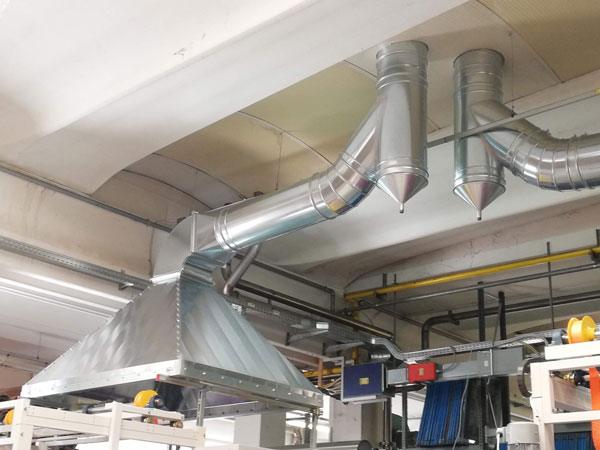 | Specialized Suction Hoods Envipro Engineering Pvt Ltd is the Best Specialized Suction Hoods Manufacturers in India. View product → |
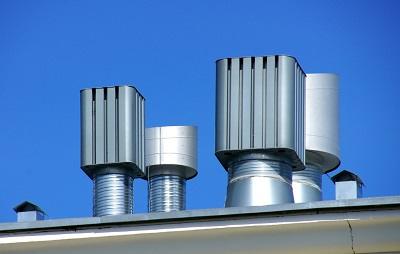 | Air Ventilation System Envipro Engineering Pvt Ltd is the Best Air Ventilation System Manufacturers in India. View product → |