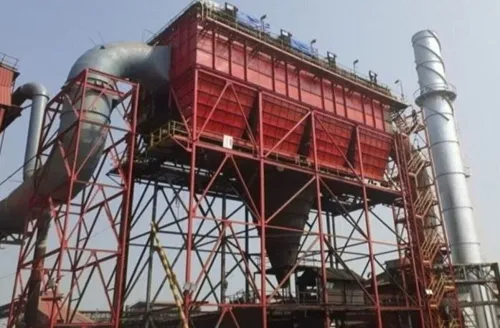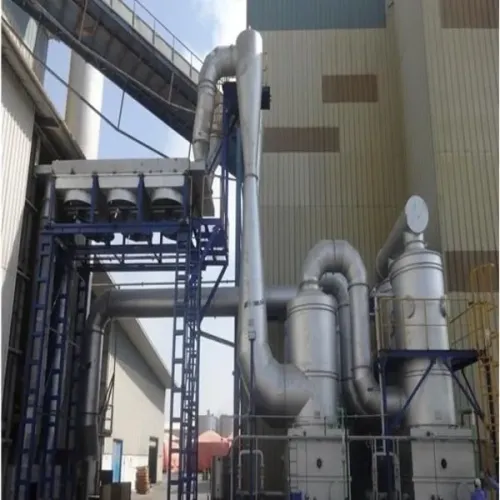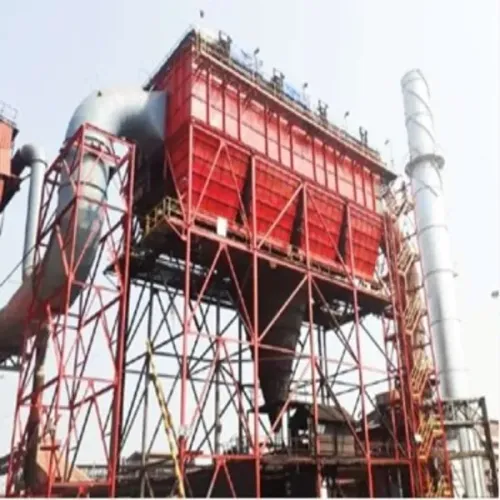

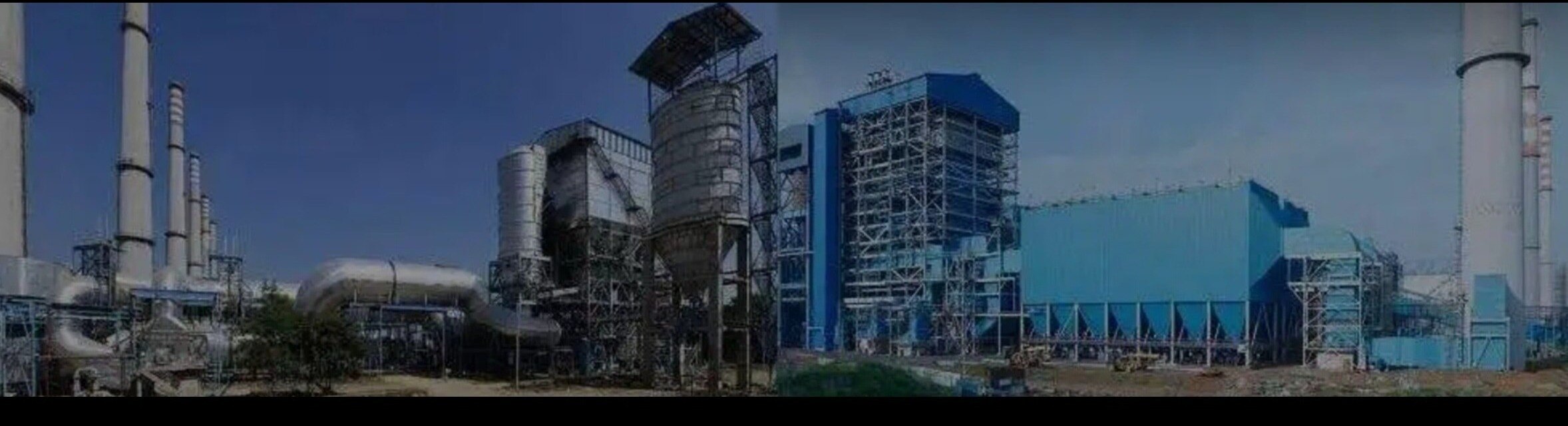
A foundry dust project is larger than the collector: it begins at each emission source and ends with tested airflow, compliant discharge, safe dust handling, and documented handover. By defining every pickup point, operating condition, calculation, responsibility, and acceptance test, you can compare quotations without accepting a vague “complete system” promise.
Key takeaways
- Include every source hood, duct, collector, fan, discharge point, and control.
- Match the collector and safety controls to the dust’s composition and ignition risk.
- Compare quotations using airflow, pressure loss, exclusions, and responsibility schedules.
- Require commissioning records and documented performance tests before final handover.
Define the Project Boundary from Process Source to Dust Discharge
A foundry dust system project starts at each dust-generating operation and ends at a controlled dust discharge, not at the baghouse inlet. Include the hood, enclosure, branch duct, isolation damper, main duct, collector, fan, stack, discharge equipment, controls, commissioning and performance testing for every listed source.
| Source | Capture equipment in scope | Downstream boundary |
|---|---|---|
| Furnace charging, melting, tapping and pouring | Canopy or close-capture hood, branch duct and isolation damper | Collector, fan, stack and sealed dust discharge |
| Shakeout and sand reclamation | Enclosure or process hood accounting for crane and operator access | Collector connection, rotary valve or screw conveyor, bin |
| Fettling, grinding and casting cleaning | Tool-connected or close-capture hood with spark-resistant ducting | Collector, isolation, discharge container and disposal route |
| Shot blasting | Enclosed machine connection and dedicated branch | Collector and compatible abrasive-dust discharge |
| Fugitive shop emissions | Enclosures or local hoods at the release point | Not replaced by a general exhaust fan |
The dust system project inclusions must state who supplies foundations, platforms, stairs, interconnecting ductwork, electrical power, control panels, compressed air, earthing, lighting and weather protection. Assign responsibility for particle and explosibility testing, including aluminium, magnesium, titanium or mixed-metal dust hazards; venting, suppression, isolation and spark control cannot remain implied.
In India, name the party responsible for Consent to Establish, Consent to Operate, stack details, civil and electrical approvals, used-filter or hazardous-waste handling, and submissions to the State Pollution Control Board. Record the final recycling or disposal route for collected dust.
Match Collector Type and Safety Measures to the Foundry Dust
A collector selection made without a dust characterization is guesswork. Take representative samples from each process, not only from the common duct, and record:
- Particle-size distribution and bulk density, which determine filtration loading and hopper design.
- Temperature, moisture, resin fumes, and oil mist, which affect condensation, blinding, and filter-media compatibility.
- Abrasiveness, sparks, carbon content, silica-bearing sand, and metal content, which influence wear, ignition control, and disposal.
- Aluminium, magnesium, titanium, or mixed reactive-metal dust, which can require a separate combustible-dust assessment.
Use a dry baghouse or cartridge collector only after confirming that the media suits the temperature and chemistry. Polyester, aramid, or PTFE membrane media are not interchangeable; oil, moisture, high heat, or sticky resin can blind the wrong choice. A wet collector needs a documented compatibility review before it handles water-reactive metal dust.
Specify discharge equipment as part of foundry dust collection. Match rotary valves, double-dump valves, screw conveyors, bins, or drums to particle size, temperature, abrasiveness, and combustibility, then add level indication, overfill protection, safe container changeout, and a defined recycling or disposal route.
For an indoor dry collector or combustible metal dust, document the safety basis under NFPA 652 and NFPA 484, stating the adopted editions and Indian requirements. Assign explosibility testing, hazard analysis, grounding and bonding, spark control, isolation, and explosion venting or suppression; never vent an explosion into an occupied area.
Environmental engineering companies should show these safeguards in the scope, not leave them as an equipment option.
Set Airflow, Pressure Loss, and Central-versus-Local System Duties
Prove capture at the hood, not at the baghouse. For every operating source, calculate the hood airflow from the hood opening, enclosure geometry, capture distance, process motion, and required capture velocity. A distant collector cannot correct a shakeout hood that lets casting movement or crane-induced air currents carry dust into the building.
The design basis must show which sources run together. List each branch airflow, minimum transport velocity, duct diameter, equivalent length, elbows, dampers, hood entry loss, main-duct loss, collector resistance, stack loss, and leakage allowance.
Calculate fan duty at both clean-filter and dirty-filter conditions; selecting a fan from nominal hood airflow alone can starve distant branches after balancing losses and filter loading are added.
Use the dust system project inclusions schedule to record these calculations:
- Melting, charging, pouring, shakeout, fettling, grinding, shot blasting, mould preparation, knockout, and material transfer, each with its hood, branch, isolation damper, airflow, collector connection, and discharge point.
- Simultaneous operating cases, including the worst combination rather than one total airflow figure.
- Measured balancing results, damper positions, test points, and branch static pressures.
Central and local arrangements solve different capture problems:
| Arrangement | Calculation focus | Duty and limitation |
|---|---|---|
| Central collector | Sum simultaneous branch flows plus all system losses | Serves distributed sources; balancing prevents near branches from taking airflow from distant hoods |
| Local collector | Hood airflow plus short-duct and filter losses | Suits isolated, high-emission equipment; duplicate fans and maintenance points increase |
| Hybrid system | Separate airflow and pressure calculations for each zone | Keeps incompatible dusts or intermittent processes apart; controls must prevent unintended simultaneous operation |
For reliable foundry dust collection, verify hood static pressure and airflow at each stated process combination during commissioning—not merely fan rotation or motor current.
Turn the Quotation into a Comparable Scope and Responsibility Schedule
A quotation is comparable only when every bidder prices the same boundary. State the included sources separately: melting and charging, pouring, shakeout, fettling, grinding, shot blasting, mould and core preparation, sand reclamation, and material transfer. Record simultaneous operation, hood geometry, branch airflow, duct route, isolation damper, collector inlet, and discharge point.
- Give bidders dust data: particle-size distribution, temperature, moisture, bulk density, abrasiveness, oil or resin content, carbon content, silica-bearing sand, and aluminium, magnesium, or titanium content.
- Attach site inputs: layout, crane paths, operator clearances, electrical supply, foundation limits, stack location, operating schedule, and available compressed air.
- Exclude or assign civil works, power cabling, stack construction, insulation, scaffolding, craneage, permits, dismantling, disposal, and production shutdowns.
- Require calculations for hood capture velocity, branch airflow, simultaneous load, duct velocity, pressure loss, fan duty, filter area, discharge capacity, and stack dimensions.
| Scope item | Buyer must provide | Bidder must state |
|---|---|---|
| Process sources | Equipment list and operating combinations | Included points and airflow per point |
| Dust hazards | Test samples and metal composition | Explosibility test, grounding, spark control, venting or suppression, isolation, and return-air decision |
| Discharge | Container or recycling route | Rotary valve, screw, bin or drum capacity, level alarm, overfill protection, and changeout method |
| Statutory work | Consent-to-establish or consent-to-operate status | Stack data, electrical and civil approvals, hazardous-waste or used-filter handling, and State Pollution Control Board submissions |
| Commercial boundary | Site access and shutdown windows | Supply, installation, testing, warranty, exclusions, taxes, and schedule |
Ask Envipro Engineering Pvt. Ltd-Wet Scrubber System, Bag Filter System Manufacturers to mark each line as included, excluded, or buyer-supplied. That prevents a “turnkey” label from hiding statutory obligations. A useful search phrase is environmental engineering companies foundry dust system for inclusions india, but your signed schedule matters more than the search result.
Related products
 | Dust Collecting Systems Manufacturers Dust Collecting Systems Manufacturers Envipro Engineering Pvt Ltd is a trusted Industrial Dust Collector Manufacturer in India, providing customised dust collection systems for cement,... View product → |
 | Bag Filter Systems Manufacturers Bag Filter Systems Manufacturers In India Envipro Engineering Pvt Ltd is one of the trusted Pulse Jet Bag Filter System Manufacturers, Bag Filter System Manufacturers in India, providing... View product → |
Specify Commissioning, Performance Tests, and the Handover Record
Do not sign off when the baghouse starts. Accept the installation only after each listed source operates at its specified condition and the system proves capture, filtration, discharge, and safe control.
Commissioning records should show measured airflow or hood velocity at furnace charging, pouring, shakeout, fettling, grinding, shot blasting, and other included points. Test each operating state separately, then test the combinations identified in the dust system project inclusions schedule.
Record collector pressure drop, fan duty, motor current, damper positions, compressed-air pressure, visible duct leakage, and noise where specified.
The performance guarantee must state an outlet concentration or opacity limit, the applicable Indian State Pollution Control Board consent limit, and the sampling method. Use representative production, not an empty shop. A clean collector tested without dust proves little; a poorly placed hood can still release fugitive emissions into the building.
Request these handover documents before final payment:
- As-built hood, duct, damper, collector, fan, stack, and discharge drawings
- Balancing sheets with airflow readings at every branch
- Emission-test report, calibration certificates, and test conditions
- Fan curve, motor data, filter specifications, valve data, and spare-parts list
- Control logic, alarms, interlocks, emergency stops, and explosion-protection calculations or certificates where applicable
- Preventive-maintenance schedule, filter-change instructions, operator training record, and statutory submissions
Environmental engineering companies should identify consent-to-establish or consent-to-operate support, electrical and civil approvals, and used-filter or hazardous-waste duties as included or excluded. A turnkey label does not transfer those obligations automatically.
Frequently asked questions
What should a foundry dust system project include?
The scope should run from each dust-generating operation through the hood, enclosure, branch duct, isolation damper, main duct, collector, fan, stack, discharge equipment, controls, commissioning, and performance testing.
How do you select dust collection equipment for foundry dust?
Match the collector, filter media, cleaning method, discharge arrangement, and safety measures to the dust’s particle size, temperature, moisture, chemical composition, and combustible-dust risk.
What should you compare in foundry dust collection quotations?
Compare design airflow, pressure loss, equipment capacities, included and excluded work, duct and electrical boundaries, performance guarantees, testing methods, and the party responsible for each deliverable.
What records should be required at dust system handover?
Require approved drawings, equipment data sheets, test results, airflow and pressure readings, operating instructions, maintenance schedules, spare-parts lists, training records, and signed punch-list closure.