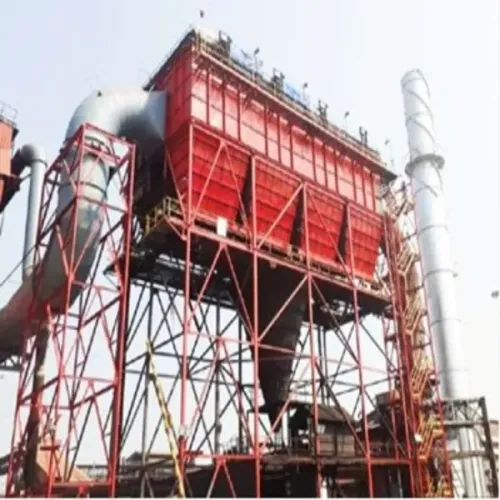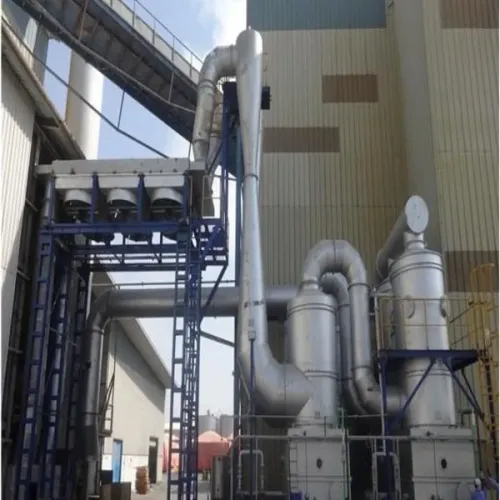

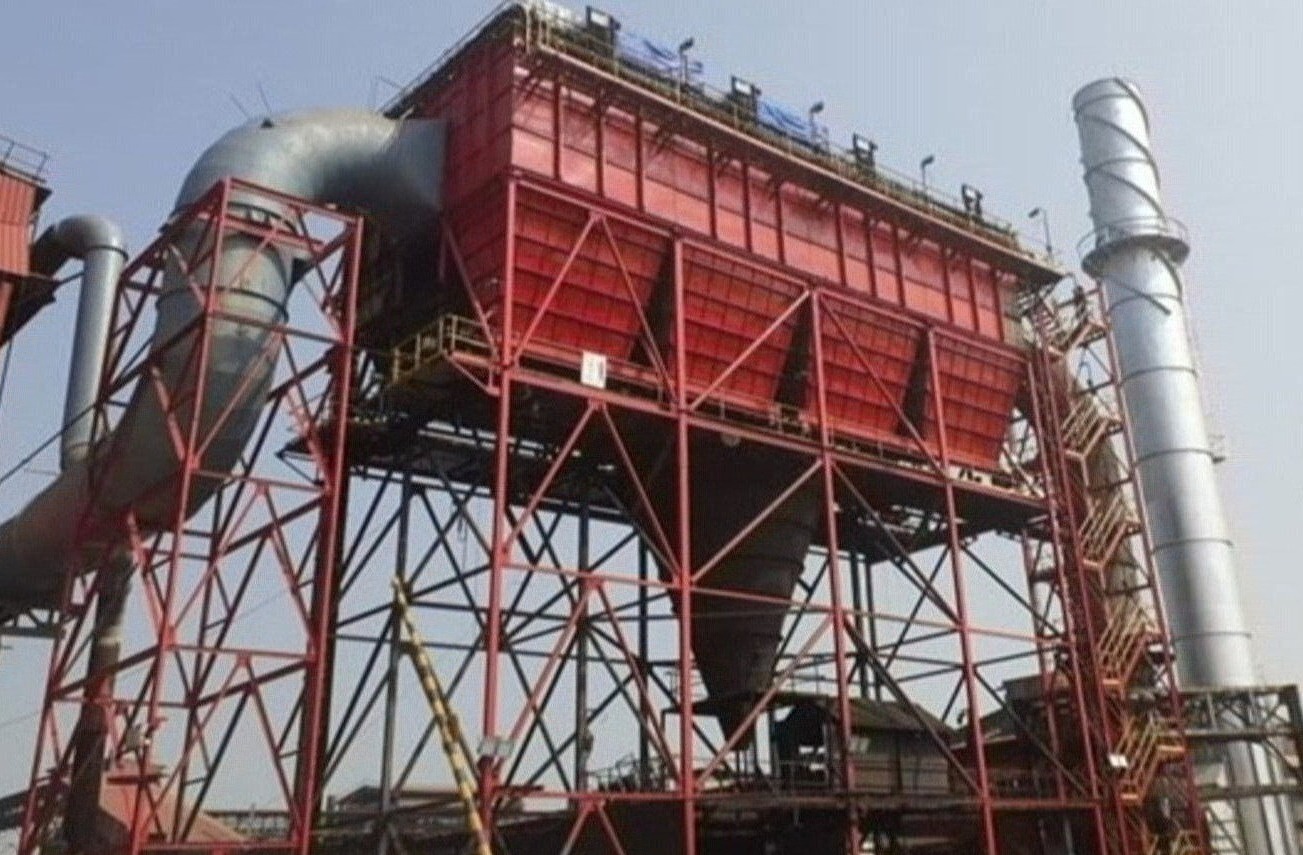
Industrial processes such as crushing, grinding, conveying, mixing, combustion, and material transfer can generate large quantities of airborne dust. Controlling these particles is important for maintaining cleaner plant conditions, protecting equipment, and managing industrial emissions. This is where bag filter manufacturers develop filtration systems suited to different process requirements.
A bag filter, often called a baghouse, separates particulate matter from an air or gas stream using fabric filter media. Dust-laden air enters the collector and passes through filter bags. Particles remain on the filter surface while cleaned air continues through the system.
How Does Industrial Bag Filtration Work?
As particles accumulate on the filter bags, the deposited dust must be removed periodically. Pulse-jet cleaning is commonly used in industrial systems, although reverse-air and other cleaning arrangements may be suitable for specific applications.
Effective filtration depends on several factors, including:
Airflow volume
Dust concentration
Particle characteristics
Operating temperature
Moisture levels
Chemical properties
Filter-media selection
Required emission performance
A high-temperature application, for example, requires filter media selected for the actual gas conditions rather than simply the airflow requirement.
Where Are Bag Filters Used?
Industrial bag filters can be applied in cement plants, steel facilities, foundries, boilers, mineral-processing units, chemical plants, pharmaceutical manufacturing, and bulk material-handling operations.
The design may change significantly between applications. Cement dust can create different filtration and abrasion challenges from pharmaceutical powder or boiler particulate matter.
Why Does the Complete System Matter?
A bag filter cannot compensate for poor dust capture at the source.
Capture hoods, extraction points, ductwork, fans, hoppers, valves, and dust-discharge equipment must operate together. Poorly positioned hoods or incorrectly sized ducts can allow dust to escape even when the filtration unit itself is adequate.
Pressure drop also needs monitoring because excessive resistance can increase energy requirements and indicate filter-loading or cleaning issues.
Envipro Engineering Pvt. Ltd. develops industrial air-pollution-control solutions for different process applications across India.
When planning a bag filter installation, industries should provide accurate process data, including airflow, temperature, dust characteristics, operating schedule, and expected emission requirements. Treating the bag filter as part of a complete dust-management system helps create a more reliable solution for long-term industrial operation.